
Why Capital Grants Won't Save the VCSE Sector Without a Sustainable Revenue Model
Sep 28, 2026A shiny new building won't keep the lights on if you can't pay the energy bills. Across the VCSE sector, organisations are securing massive capital grants, only to find themselves forced to cut back services months later.
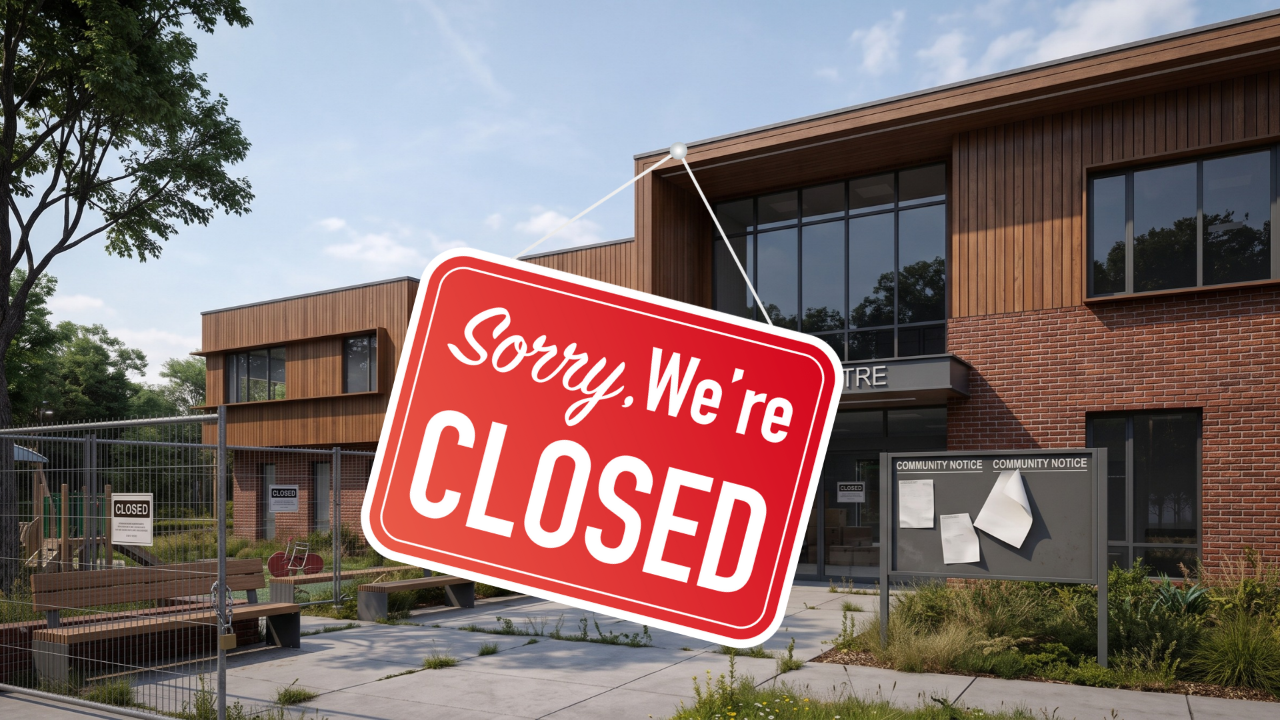
I woke up this morning to yet another local news story about a voluntary organisation scaling back its building opening hours. What makes it so frustrating is that they had recently received a substantial capital grant to renovate their building and surrounding grounds, and it truly looks fantastic.
It's always wonderful to see capital investment flow into our sector. But a shiny renovated building without a clear commercial plan to generate sustainable income isn't true sustainability. Scenarios like this are becoming an everyday occurrence across the sector.
This isn’t to say that a building can’t be an asset. They can be a wonderful asset, but they have to be managed with a business mindset, and that means more than a group of voluntary board members running it in their spare time. There needs to be a strategic plan that enables regular income to help maintain the building, resources and the people you need to run it successfully. It’s heart-breaking to see organisations and community spaces struggle when a heavy reliance on grants overshadows opportunities for trading and social enterprise, yet this is a challenge so many are facing today.
We are watching the voluntary sector fracture because organisations are trapped in a constant cycle of scrambling for oversubscribed grants that barely cover basic overheads, whilst organisational leaders are overwhelmed, exhausted and burnout. And that’s before we start to consider the impact new Social Value rules will have on procurement for the sector (but that’s a whole other article).
The Hidden Pitfalls of Capital-Only Funding
Capital grants are attractive to funders because they offer tangible, highly visible outcomes, like a new community centre, upgraded facilities, or state-of-the-art equipment. Now, don't get me wrong, there is absolutely a place for capital grants, however, without revenue support or planning, these capital assets quickly turn into financial liabilities that could lead to:
- Increased Operational Overheads: Larger or modernised facilities come with higher utility bills, maintenance fees, insurance costs, and staffing requirements that grant funding rarely covers.
- The "Restricted Funding" Trap: Capital funding binds resources to physical spaces rather than empowering teams to deliver services dynamically or able to adapt to shifting community needs.
- False Promises of Self-Sufficiency: Renovations are often funded under the assumption that "if you build it, they will come." But space rental and room hires rarely yield profit without targeted marketing, business strategy, and active sales outreach.
Why Commercial Planning is Non-Negotiable
Contrary to belief, commercial planning in the VCSE sector isn't about compromising on your mission, it's about ensuring your mission survives. Adopting a commercial mindset enables organisations to build financial resilience, reduce grant dependency, and reinvest earned surplus directly into core social impact programmes. When we talk about profit, we aren't talking about endless sums pocketed for personal gain; we are talking about unrestricted income that allows you to compensate yourself and your team fairly while expanding your work and impact. We must move past the belief that commercial planning, business strategy, and profit have no place in our sector. They must be part of it if we are serious about creating a sustainable future. For social enterprises, this should never have been in question, yet widespread misunderstanding has led many to believe that even CICs should rely almost primarily on grants. Without trading income and profit, you don't have a social enterprise, you have a charity.
Practical Steps to Shift Toward Sustainable Revenue Models
If your organisation is ready to break free from the grant dependency cycle, here are four practical steps I teach to get you started:
- Grow What You Know: Look closely at what you currently deliver or offer. Identify high-value programmes, services, insights, or training capabilities that can generate income by being packaged and sold to an audience who can afford it.
- Utilise Your Assets: Audit your physical space, land, equipment, digital real estate, and staff capacity. Identify underused resources that hold commercial market value, such as empty rooms, idle vehicles, or untapped expertise, and turn them into revenue streams.
- Step Out of the Third Sector Bubble: Connect with corporates and businesses beyond traditional funders. Position your organisation to support their Corporate Social Responsibility (CSR) and social value metrics, creating partnerships built on mutual value rather than donations.
If you are ready to transition out of firefighting mode and build a revenue model designed to last, send me a direct message or visit https://www.mantleco.io/social-enterprise-accelerator to explore how my online accelerator, starting 19th October, can help you with this.
